

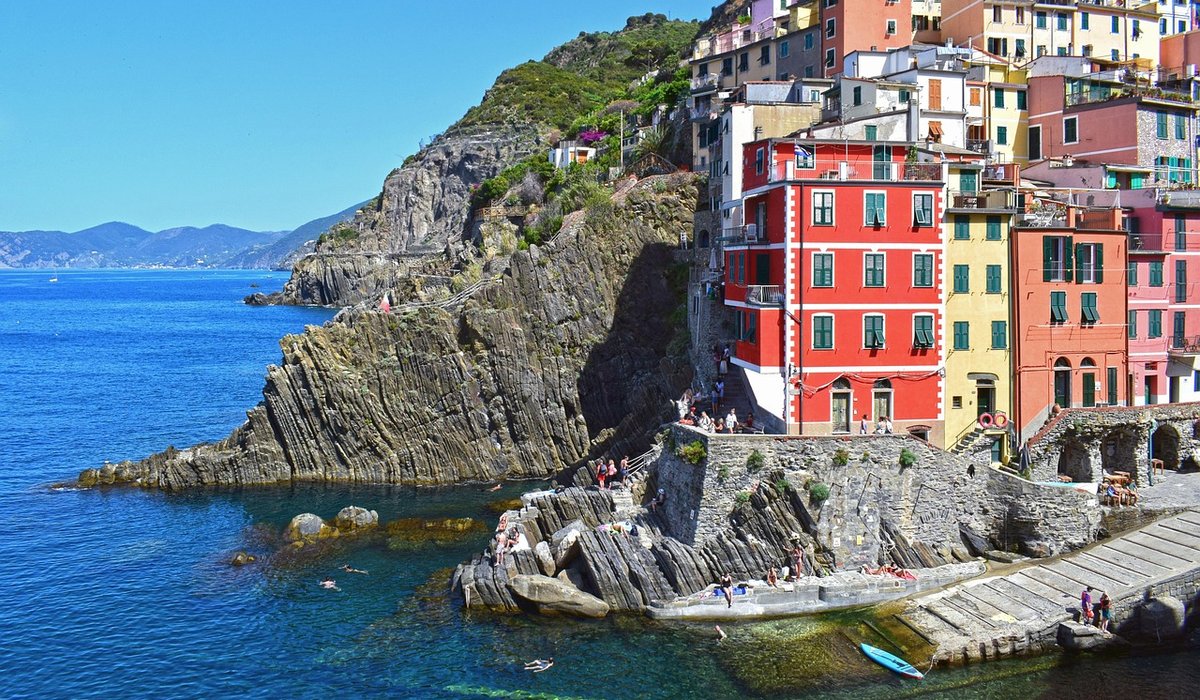
Walkers tend to notice the obvious things on a seaside ramble: the panorama, the gulls, the smell of the salt marsh at low tide. Yet the plants underfoot are quietly doing something remarkable. On a cliff top in July, the wind can strip moisture from a leaf in minutes, salt spray can burn tender growth, and the soil is often little more than a few centimetres of poor, lime-rich crumbs over solid rock. The wildflowers that survive here are specialists, and once you can name a handful of them, a coastal walk becomes a running commentary rather than a pretty blur.
The good news is that coastal flora is remarkably learnable. There are perhaps a dozen species you will meet again and again from Cornwall to Caithness, and the extremes of the habitat mean they arrive in distinct, tidy bands.
Thrift (Armeria maritima) is the one to learn first. Look for tight, dark green cushions of narrow, grassy leaves, from which stiff, wiry stems carry round heads of pale pink flowers that bob in the wind. It flowers from roughly April to July, sometimes into August further north, and it hugs cliff faces, rocky ledges and salt-sprayed grassland. When thrift turns whole cliff tops pink in late May, you are looking at a plant that is genuinely salt-tolerant and largely avoided by grazing animals.
Sea campion (Silene uniflora) often grows alongside it. The flowers are white with five petals, but the giveaway is behind the bloom: a distinctive inflated, balloon-like green calyx, sometimes tinged purple. The foliage forms low, creeping mats of grey-green leaves that look slightly waxy — an adaptation to wind borne salt. It favours shingle, cliff ledges and the dry tops of sea walls, flowering from late spring well into summer.
Look at the ground they sit in. If thrift and sea campion are thriving, you are almost certainly on thin, well-drained, calcareous or sandy soil within reach of spray.
Kidney vetch (Anthyllis vulneraria) is a plant with a reputation. Its softly woolly, silvery-green leaves pair with rounded, yellow flowerheads that look as though they have been gently scrunched, often with darker orange tips. It runs along chalk and limestone cliffs, dunes and coastal grassland from June into August, and it is the sole food plant of the small blue butterfly, one of our most localised coastal species. Find kidney vetch in good quantity on a chalk cliff and you are in exactly the right place for a quiet moment's searching.
Bird's-foot trefoil is its frequent companion, easy to pick out by its yellow flowers streaked with orange-red, held in small clusters above clover-like leaves. The seed heads curve into shapes resembling a bird's foot, hence the name. It is cheerful, common and flowers for months.
Add the yellow horned-poppy (Glaucium flavum) to your shingle list: big, crinkled, grey-blue leaves, huge lemon-yellow poppy flowers, and long, curved seed pods that gave it the "horned" name. It grows on shingle beaches just above the high-water mark from June to September.
Coastal wildflowers sort themselves by substrate far more reliably than inland plants do, so a quick look at the surface underfoot narrows your identification enormously.
The dune zone is the most fragile of these. Marram holds the sand in place; a single route worn through a dune ridge can set erosion going for years, so keep to established paths and boardwalks.
The coastal flowering season runs in waves. Thrift and sea campion lead from April, kidney vetch and horned-poppy take over in June, and sea holly, viper's bugloss and sea aster carry the display through to September. A blustery overcast day is often better than bright sun: wind keeps the light soft and photographs of pale flowers come out far better without harsh shadow.
A few practical habits will keep these plants there for the next walker:
Rock samphire grows on cliff ledges and sea walls, with fleshy, grey-green leaves and flat umbels of yellow-green flowers; it smells distinctly of parsley crossed with the sea. Sea lavender is not a true lavender but a plant of salt-marsh edges whose papery, lilac-blue flowers hold their colour for weeks. And sea-kale, with large, wavy, blue-green leaves and spikes of honey-scented white flowers, is the same species once grown inland as a vegetable and still found wild on shingle from May onwards.
Start with thrift and sea campion, add kidney vetch, and you already have a working vocabulary for most cliff-top walks in Britain. Everything else tends to slot into place around them.

The Coastalcombe Written for people who value the details, and want honest guidance they can trust.

The Coastalcombe No rushing, no fuss — just thoughtful notes and practical help, written by people who care.

Understand legal limits, sustainable harvesting and common poisonous lookalikes before picking seaweed, shellfish or coastal greens for the table.

Comments
ALina Kelian
19th May 2018 ReplyThe Coastalcombe No rushing, no fuss — just thoughtful notes and practical help, written by people who care. ullamco laboris nisi ut aliquip ex ea commodo consequat.
Rlex Kelian
19th May 2018 ReplyThe Coastalcombe No rushing, no fuss — just thoughtful notes and practical help, written by people who care. ullamco laboris nisi ut aliquip commodo.
Roboto Alex
21th May 2018 ReplyThe Coastalcombe Simple, genuine and looked after with care — the kind of place worth returning to. ullamco laboris nisi ut aliquip ex ea commodo consequat.