

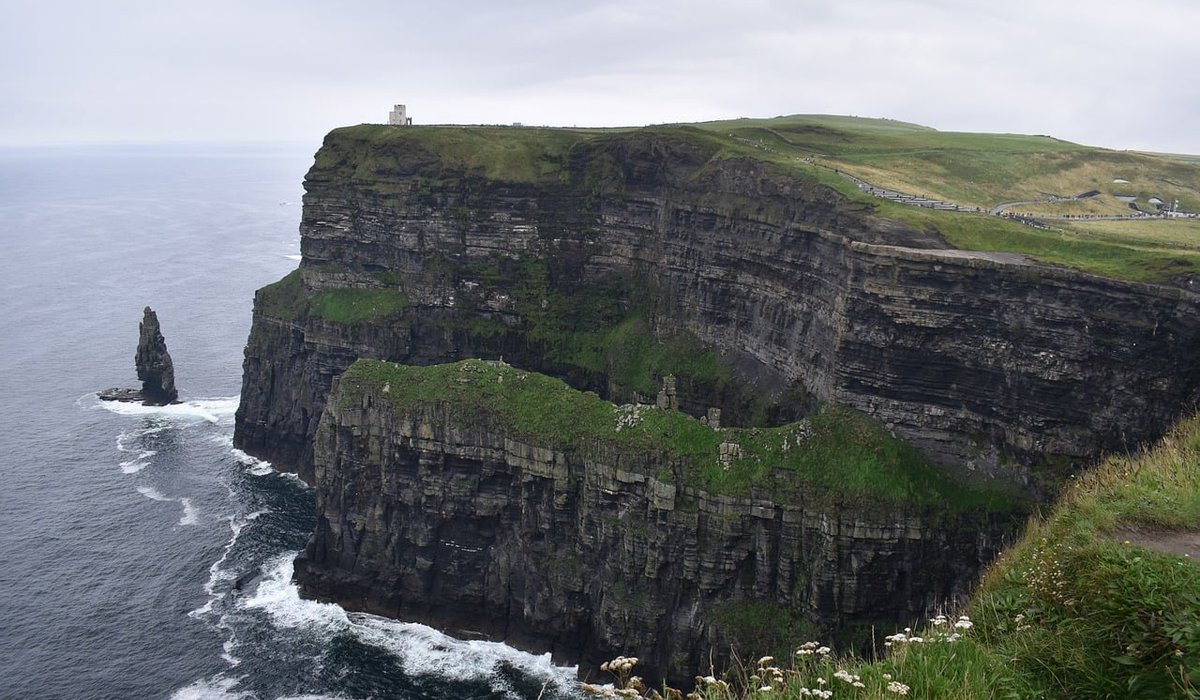
A sand dune looks like a solid, sandy hill. In truth it is a living structure, knitted together by marram grass, lichen and a thin skin of roots, built grain by grain over decades. Break that surface and the wind does the rest: a small shortcut becomes a blow-out, a blow-out becomes a gap, and the sea reaches a little further inland with every winter storm. Cliffs tell the same story in a different material. They erode naturally, and the birds that nest on their ledges — kittiwakes, fulmars, guillemots, puffins — have nowhere else to go. Between the two lies the intertidal zone, where limpets, winkles, crabs and anemones already live at the edge of what they can tolerate, waiting out every tide.
Leaving no trace isn't about being precious. It is simply making sure that after your visit the coast is still doing its job — for wildlife, for the people who live and work there, and for whoever walks it next.
Pack out what you pack in, including the things that feel harmless. Orange peel, apple cores and banana skins take far longer to break down than most people assume, and they pull rats and gulls into places they shouldn't be. Cigarette ends are plastic, not paper. Wet wipes, cotton buds and balloon ribbons turn up on tidelines everywhere, and a length of fishing line or a stray hook can kill a bird or a seal long after you've gone.
The coast is a nursery, a larder and a resting place, often all at once. Grey seals haul out to digest, moult and raise pups, and they need undisturbed rest far more than they need a closer photograph.
A scorch mark on dune turf or coastal heath can still be visible a decade later, and dry grass in a sea breeze carries fire fast. Many councils now ban disposable BBQs on beaches and in dunes for exactly this reason, so check local notices before you set off. A small camping stove is almost always the better choice.
If fires are permitted where you are, use an existing ring or fire pit, keep it small, never leave it unattended, and burn only dead wood that is already down and part of the woodpile at home — not branches snapped from living trees or timber prised off a fallen log, which is habitat for beetles and fungi. To put a fire out, douse it with water until the ashes are cold to the touch, then take the ash home in a bag. Sand does not extinguish a fire; it insulates it, and the embers can smoulder underground until the wind returns.
Most coastal erosion caused by visitors is caused by feet, not storms. Dunes and vegetated shingle are the worst affected, because the plants that hold them together cannot survive trampling.
Before you go, check the tide table and the local notices — spring tides move quickly and cut off headlands that look perfectly safe on a falling tide. Tell someone your route. Visit quieter stretches rather than the same honeypot car park, and if a beach or path is closed for nesting or restoration, take it as a good sign rather than an inconvenience.
None of this requires special kit or expertise. It is a handful of decisions made quietly, over and over, by people who love the coast enough to leave it exactly as they found it. Do that often, and it stays worth returning to.

The Coastalcombe Written for people who value the details, and want honest guidance they can trust.

The Coastalcombe No rushing, no fuss — just thoughtful notes and practical help, written by people who care.

Learn how cumulus, stratus and towering clouds hint at changing winds, rain and visibility before you set out on a coastal walk.

Comments
ALina Kelian
19th May 2018 ReplyThe Coastalcombe No rushing, no fuss — just thoughtful notes and practical help, written by people who care. ullamco laboris nisi ut aliquip ex ea commodo consequat.
Rlex Kelian
19th May 2018 ReplyThe Coastalcombe No rushing, no fuss — just thoughtful notes and practical help, written by people who care. ullamco laboris nisi ut aliquip commodo.
Roboto Alex
21th May 2018 ReplyThe Coastalcombe Simple, genuine and looked after with care — the kind of place worth returning to. ullamco laboris nisi ut aliquip ex ea commodo consequat.