

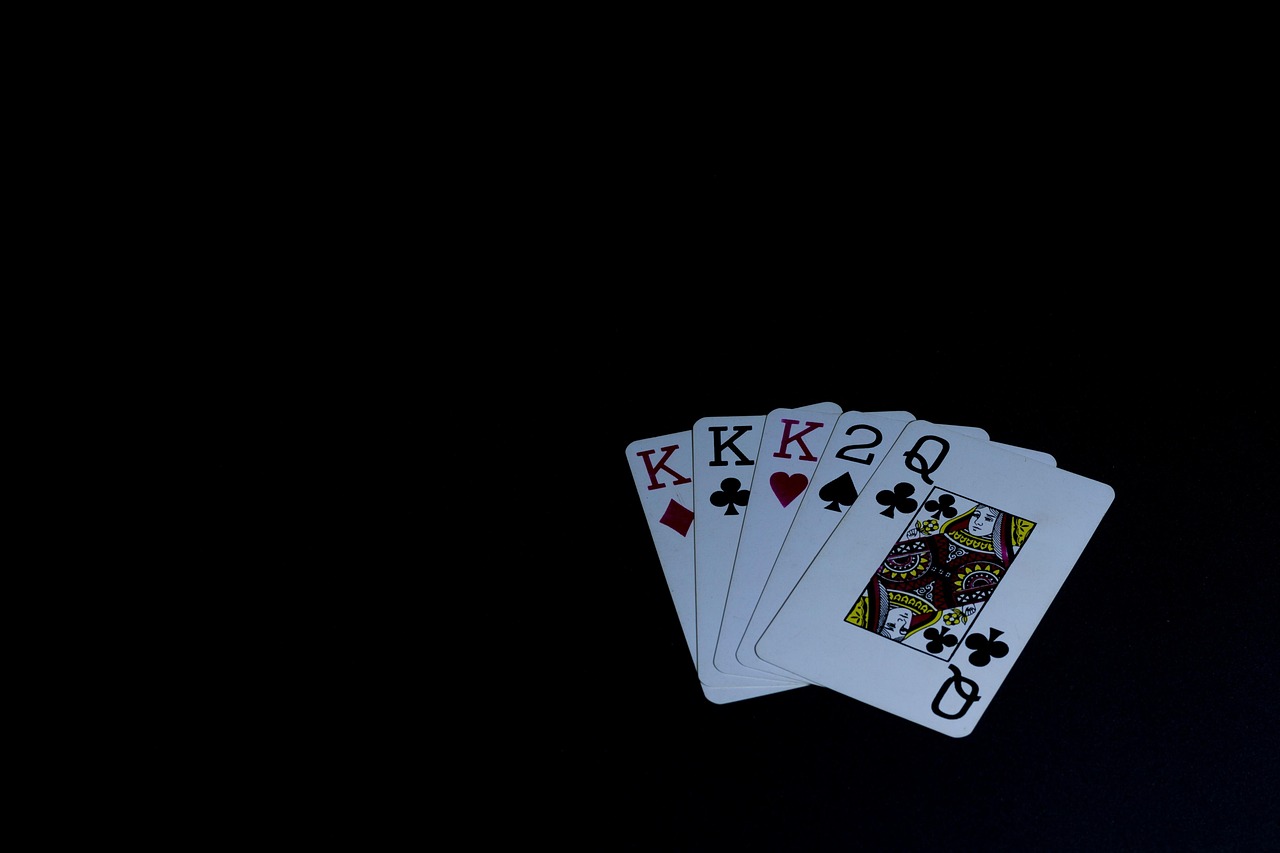
Most people who lose money gambling don't lose because they're unlucky. They lose because nobody ever explained the arithmetic to them. Walk into any casino, open any betting app, and you're surrounded by flashing lights and probability curves designed to separate you from your bankroll at a precise, predictable rate. The house doesn't need to cheat. It just needs you to show up long enough.
That's not a lecture. It's the starting point for actually enjoying this stuff. Once you understand how slots pay, why poker is a different animal entirely, and where sports betting margins hide, you stop playing blind. You start playing like someone who knows the rules of the machine.
Modern video slots look like video games, but strip away the animations and you're looking at a random number generator that fires thousands of times per second. Every spin is independent. The machine has no memory of your last 200 losing spins, no matter how much it feels like you're "due." This is called the gambler's fallacy, and it's the single most expensive misconception in the iGaming world.
What actually matters is RTP (return to player) and volatility. A 96% RTP slot returns 96 cents per dollar wagered over millions of spins. In a single session, you could easily see 60% or 120% of your money come back. The 4% edge is a long-run average, not a promise.
Volatility is the more useful number for choosing games:
If you have €50 and want two hours of play, pick low volatility. If you have €50 and want a shot at €5,000, understand you're probably losing the €50 in fifteen minutes. Both are valid choices. Pretending it isn't a choice is where people get hurt.
Poker sits apart from every other game in the casino because you play against other players, not the house. The rake (usually 5% of the pot, capped) is the house's cut. Your edge comes from beating the humans around you, which means variance hits differently. A winning player can lose for 30,000 hands and still be profitable long-term.
The trap for new players is confusing results with decisions. You can play a hand perfectly and lose. You can shove all-in with 72 offsuit and win. Neither result tells you whether the decision was good.
Some concrete ways to actually improve:
Online poker rooms in regulated markets now publish hand histories and offer HUD support. Use them. Poker is one of the few iGaming verticals where studying genuinely moves the needle.
If you've ever wondered why both sides of a football match pay -110 instead of even money, you've seen the vig. That extra 10 cents on a $1.10 return is the bookmaker's built-in edge, typically 4-5% on a standard two-way market. On moneylines and props, the margin widens.
The biggest practical shift in recent years is the explosion of same-game parlays (SGPs). They're heavily promoted because the book's margin on correlated legs is often north of 15%, sometimes 25%. They're fun. They're also the worst-priced bets on a typical sportsbook's board. Take a look at สล็อต for a fuller picture.
If your goal is actually winning, the sharper moves are:
Every welcome offer is a math problem disguised as a gift. A "100% match up to €500" sounds great until you see a 40x wagering requirement on the bonus plus deposit, with game weighting that counts slots 100% but blackjack 10%.
A quick example: €100 bonus at 40x wagering means you need to bet €4,000 before withdrawing anything. On a 96% RTP slot, expected loss on that volume is around €160. The bonus is worth less than it appears. It's not worthless, but it's rarely free money.
Things worth checking on any offer:
If you play in a regulated market (UK, most of the EU, many US states, Ontario, Australia), you're covered by deposit limits, self-exclusion schemes, and dispute resolution. If you play offshore, you're on your own. The offshore site with the biggest bonus and no KYC is also the site least likely to pay you when you hit something large.
Licensed operators are audited. Their RNGs are tested by third parties like eCOGRA or GLI. Their payout percentages are published. That transparency is the actual product you're buying when you choose a regulated casino over a sketchy one.
None of this is designed to scare you off. Casinos, poker rooms, and sportsbooks are entertainment products, and there's nothing wrong with paying for entertainment. The difference between a good night and a bad one isn't luck. It's whether you walked in knowing the RTP, the rake, the vig, or the wagering requirement before you spent a cent.
Nobody beats the house at slots over a lifetime. A small percentage of poker players do. A smaller percentage of sports bettors do. Everyone else is buying an experience. That's fine. But buy it consciously. Set a limit before you start, pick games that match your bankroll and tolerance for swings, and treat bonuses as what they are: marketing, not charity. The players who enjoy this world the longest aren't the ones who got lucky once. They're the ones who understood the math from the beginning and never let a hot streak convince them the math had changed.

The Coastalcombe Written for people who value the details, and want honest guidance they can trust.

The Coastalcombe No rushing, no fuss — just thoughtful notes and practical help, written by people who care.

Compare grip, waterproofing and ankle support to find boots or shoes that keep you stable on muddy, rocky and slippery coastal tracks.

Comments
ALina Kelian
19th May 2018 ReplyThe Coastalcombe No rushing, no fuss — just thoughtful notes and practical help, written by people who care. ullamco laboris nisi ut aliquip ex ea commodo consequat.
Rlex Kelian
19th May 2018 ReplyThe Coastalcombe No rushing, no fuss — just thoughtful notes and practical help, written by people who care. ullamco laboris nisi ut aliquip commodo.
Roboto Alex
21th May 2018 ReplyThe Coastalcombe Simple, genuine and looked after with care — the kind of place worth returning to. ullamco laboris nisi ut aliquip ex ea commodo consequat.