

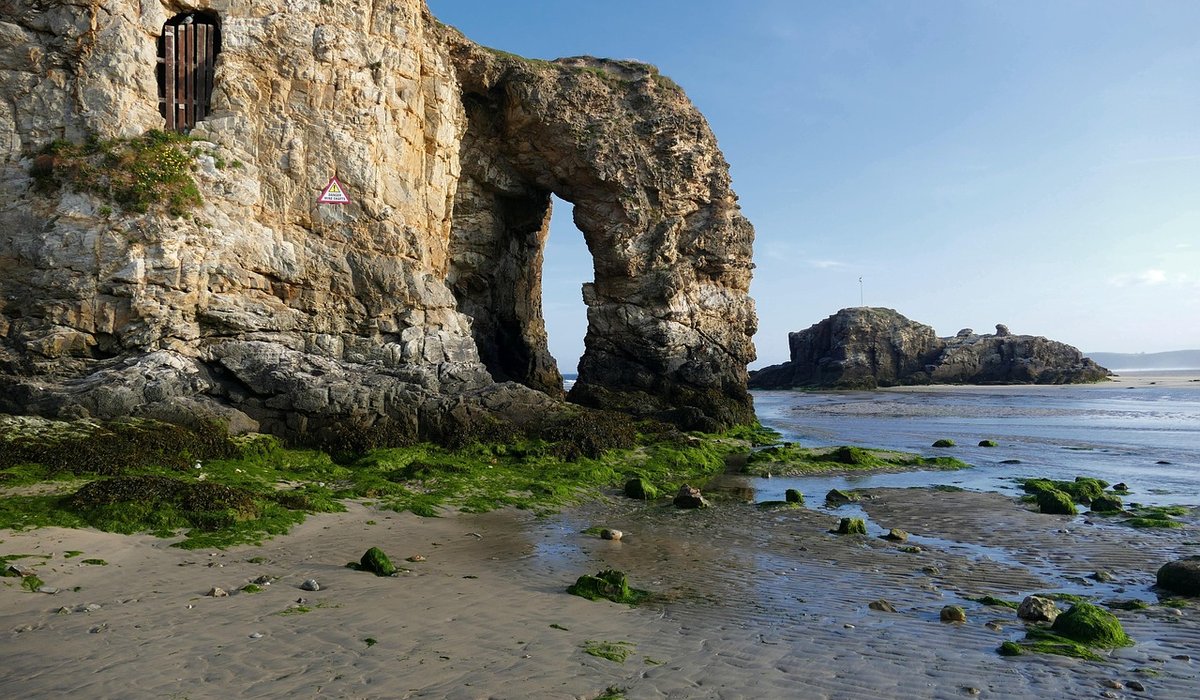
There are few greater pleasures than walking a quiet stretch of the UK coast, the sea air sharpening your appetite, and finding a perfect spot to sit and eat. But a good picnic on a coastal path isn’t just about the view. It’s about choosing a place that shelters you from the wind, respects the fragile wildlife around you, and leaves nothing behind but footprints. Here’s how to find those sheltered grassy ledges, flat rocks and bench viewpoints that make a coastal walk truly memorable.
Before you settle anywhere, spend a moment reading the landscape. On exposed headlands, the wind can turn a sunny lunch into a sandblasted ordeal. Look for the leeward side of a hedge, a dip behind a drystone wall, or a south-facing slope that catches the sun. Check tide times if your path drops to a beach or rocky platform – nothing ruins a picnic faster than a fast-rising tide. Also consider the season: between March and July, many cliff ledges and shingle beaches are nesting grounds for gulls, oystercatchers and terns. Keep well back from any birds that alarm-call or dive at you.
Some of the best picnic spots are not on the beach but just above it. Look for short, springy turf on a clifftop ledge, often found on the south coast of Cornwall, the Pembrokeshire Coast Path, or the Cleveland Way in Yorkshire. These grassy perches are usually grazed by sheep or rabbits, so the vegetation stays low and the views are unobstructed. Choose a spot at least a few metres back from the edge – eroded cliffs can crumble without warning. Sit on a lightweight mat rather than a bare rock, and avoid crushing wildflowers like sea thrift or spring squill. A flat tussock makes a surprisingly comfortable backrest.
The UK has countless flat rock platforms – slate in North Wales, limestone in the Mendips, granite in Scotland – that make natural picnic tables. The key is to find one that is dry, stable and well above the current tide line. Avoid rocks covered in green seaweed or barnacles, which are slippery and sharp. A sheltered cove, such as those on the Llyn Peninsula or the Northumberland coast, often has a flat slab just inside the entrance where you can sit out of the wind. Never move stones or poke into rock pools while you eat; anemones, crabs and small fish are easily disturbed. And always check behind you – the sea can creep around a headland faster than you think.
Not every picnic needs a wild adventure. Many coastal paths pass memorial benches, churchyard walls, or harbour-side seats that offer a perfect rest stop. These are ideal for walkers with limited mobility, families with young children, or anyone carrying a heavy pack. Look for benches on the edge of villages like those in Norfolk, Dorset or the Fife coast – they often face the sea and catch the afternoon sun. If you use a bench, leave it as you found it. Don’t block the path with your rucksack, and keep voices low if houses are nearby. A village green or a grassy patch beside a harbour wall can be just as lovely as a remote ledge, and often has a tap or a bin nearby.
What you carry matters as much as where you sit. A coastal picnic should be light, low-waste and wind-proof. Flasks beat open cups on a breezy headland, and reusable containers are kinder to the environment than cling film. Bring a small bin bag for every scrap – including fruit peel, which can take years to break down in cold coastal soil. Avoid single-use plastic where you can; beeswax wraps and stainless steel bottles work well. A lightweight sit mat doubles as a windbreak for a flask. And always carry out everything you brought in, even if you find a bin. Seagulls are experts at scattering rubbish, so keep food covered until the moment you eat.
The quiet coastal path is a haven for wildlife, and your picnic can be part of that harmony if you’re mindful. Seals haul out on secluded beaches – give them at least 100 metres and never let dogs approach. Adders bask on sunny paths in spring; stamp your feet as you walk to warn them. Butterflies and bees need the wildflowers you might be tempted to sit on, so choose bare ground or short turf. Keep dogs on leads around cliff edges and nesting birds. If you see a distressed animal, move away quietly and report it to a local wildlife trust or coastguard if necessary. The best picnic spots are the ones where you leave no sign you were ever there – just a memory of the sea, the sky and a well-earned sandwich.

The Coastalcombe Written for people who value the details, and want honest guidance they can trust.

The Coastalcombe No rushing, no fuss — just thoughtful notes and practical help, written by people who care.

Learn why cliffs crumble, paths divert and beaches change shape, and how to walk responsibly on an ever-shifting coastline.

Comments
ALina Kelian
19th May 2018 ReplyThe Coastalcombe No rushing, no fuss — just thoughtful notes and practical help, written by people who care. ullamco laboris nisi ut aliquip ex ea commodo consequat.
Rlex Kelian
19th May 2018 ReplyThe Coastalcombe No rushing, no fuss — just thoughtful notes and practical help, written by people who care. ullamco laboris nisi ut aliquip commodo.
Roboto Alex
21th May 2018 ReplyThe Coastalcombe Simple, genuine and looked after with care — the kind of place worth returning to. ullamco laboris nisi ut aliquip ex ea commodo consequat.